Developing Early Literacy Skills at Home
Early Literacy: A Guide for Preschool Parents
Early literacy is one of the most important building blocks in a child’s development. Long before children learn to read and write, they are developing the skills they need to become confident readers. For families with young children, especially those in preschool, creating a literacy-rich home environment can make a lasting difference.
What Are Early Literacy Skills?
Early literacy refers to the skills children develop before they begin formal reading instruction. These include listening, speaking, recognizing sounds, understanding stories, and becoming familiar with books and print.
From infancy through the preschool years, children are constantly learning through everyday interactions. Talking, reading, and even singing all contribute to language development and future reading success.
Why Early Literacy Matters
Research shows that early literacy experiences at home help build strong foundations for reading, communication, and overall academic success.
Children who are exposed to language-rich environments early on are more likely to:
- Develop a larger vocabulary
- Improve listening and comprehension skills
- Build confidence in communication
- Be better prepared for kindergarten and beyond
Even simple daily interactions—like storytelling or conversations—play a powerful role in shaping a child’s literacy development.
Simple Ways to Support Early Literacy at Home
The good news is that you don’t need special tools or formal lessons to help your child succeed. Here are practical, fun ways to build early literacy skills at home:
1. Read Together Every Day
Reading aloud is one of the most effective ways to support literacy. It helps children hear new words, understand sentence structure, and develop a love of books.
Ask questions during reading, like:
- “What do you think will happen next?”
- “How does this character feel?”
2. Talk & Listen Often
Conversations are key! Talk about your day, describe what you’re doing, and encourage your child to express themselves. Every day interactions build vocabulary and comprehension skills.
3. Sing Songs & Nursery Rhymes
Rhymes and songs help children recognize patterns in language and develop phonological awareness—an essential pre-reading skill.
4. Encourage Storytelling
Let your child make up stories or retell their favorite books. This strengthens memory, creativity, and understanding of how stories work.
5. Make Print Part of Everyday Life
Label items around your home, point out signs when you’re out, and show how print is used in daily life. This helps children understand that words have meaning and purpose.
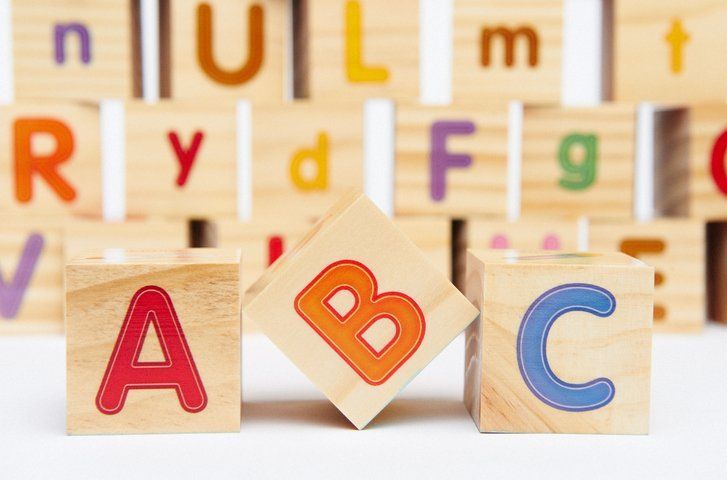
6. Play with Letters & Sounds
Introduce letter names and sounds through games, songs, or books. Rhyming games and sound-matching activities are especially helpful for preschool-aged children.
7. Create a Literacy-Friendly Environment
Keep books within reach and make reading a regular part of your routine. When children see adults reading, they’re more likely to develop the same habit.
Building a Strong Foundation for Lifelong Learning
The preschool years are a critical time for developing language and literacy skills. During this stage, children are naturally curious and eager to learn. By turning everyday moments into learning opportunities, parents can help children build a strong foundation for future success.
Remember, developing early literacy doesn’t have to feel like “teaching.” The most meaningful learning happens through play, connection, and everyday interactions.
Helping your child develop early literacy skills at home is one of the greatest gifts you can give. Whether you’re reading a bedtime story, singing a favorite song, or simply having a conversation, you are supporting your child’s journey toward becoming a confident reader.
At Wonder Years Childcare & Learning Center, we are proud to partner with families to support every child’s growth—starting with strong early literacy foundations. Reach out to our preschool in Spring Lake, NC to learn more!